English for Military & Defense Communication
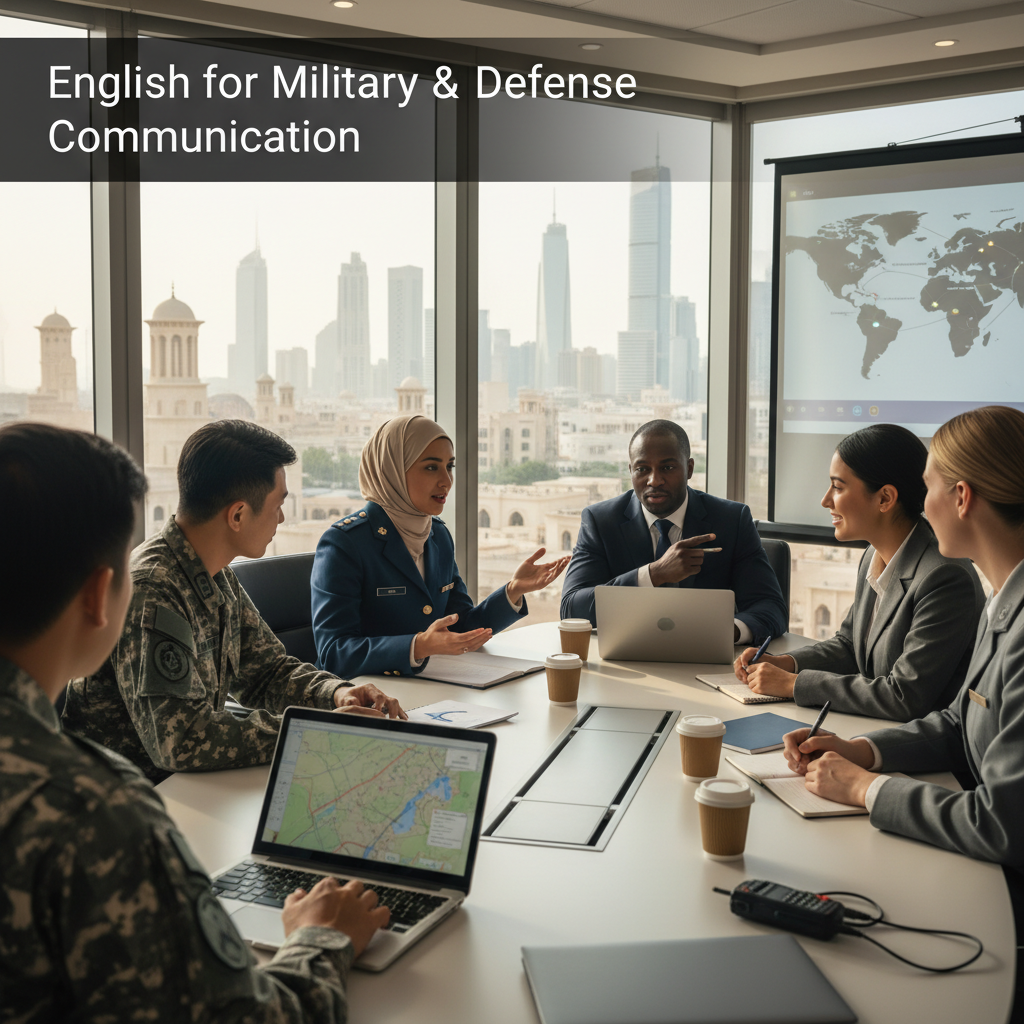
In our increasingly interconnected world, effective communication is paramount, especially in high-stakes environments. For anyone involved in global security, defense, or humanitarian operations, mastering military English is not just an advantage – it’s an absolute necessity. This specialized linguistic skill facilitates seamless operational communication, preventing critical misunderstandings and ensuring mission success. Whether you’re an aspiring international professional, a current service member, or simply an English language learner with an interest in global affairs, understanding the nuances of military English can unlock a world of opportunities and enhance your ability to contribute effectively to global peace and stability.
The Global Battlefield of Words: Why Military English Matters More Than Ever
Imagine a multinational team on a critical mission, where every second counts. A slight misinterpretation of an order, a misunderstood piece of intelligence, or an unclear report could have dire consequences. This is the reality where English serves as the undisputed lingua franca. It’s the common ground that enables forces from different nations to work together cohesively, whether under the banner of NATO, the United Nations, or various ad hoc coalition forces.
The ubiquity of English in these settings underscores its critical role in achieving operational effectiveness, fostering interoperability between diverse units, and ensuring the safety of personnel. Without a standardized language, the complexities of coordinating international military and defense efforts would be insurmountable. It’s not merely about knowing vocabulary; it’s about understanding a specific context, a shared set of procedures, and a universal understanding of urgency and command.
Understanding Military English: More Than Just Words
Military English transcends general conversational fluency. It encompasses a unique blend of technical terminology, procedural phrases, and a distinct communication style designed for clarity and precision under pressure. For international students and young professionals eyeing careers in this demanding field, grasping this specific English dialect is fundamental. It’s the language of:
- Joint Operations: Coordinating air, land, and sea forces from different countries.
- Peacekeeping Missions: Facilitating dialogue and de-escalation in conflict zones.
- Humanitarian Aid: Directing relief efforts and ensuring the safety of both aid workers and beneficiaries.
- Intelligence Sharing: Disseminating critical information accurately and securely across borders.
The stakes are incredibly high, and the emphasis is always on unambiguous exchange. From routine logistics to critical combat scenarios, clear and concise communication is the backbone of successful international defense and security operations.
Decoding the Language of Command: Key Components of Military English
To truly master military English, learners must delve into its specific components. It’s a language built for efficiency, clarity, and, above all, the prevention of ambiguity. Here’s a breakdown of its essential elements:
Specialized Vocabulary and Terminology
The military world has its own extensive lexicon. This isn’t just about translating words; it’s about understanding concepts unique to defense and security. Consider these categories:
- Ranks and Chain of Command: Knowing “Sergeant Major,” “Captain,” “General,” and their equivalents across different national forces is crucial for respecting hierarchy and understanding authority.
- Equipment and Weaponry: Identifying “Assault Rifle,” “Main Battle Tank,” “Unmanned Aerial Vehicle (UAV),” or “Tactical Transport Aircraft” goes beyond simple translation; it’s about recognizing the specific role and capabilities of each.
- Tactics and Operations: Terms like “Reconnaissance,” “Flanking Maneuver,” “Close Air Support,” or “Rules of Engagement” describe complex actions that demand precise understanding.
- Geographical and Topographical Terms: Understanding “Chokepoint,” “Line of Sight,” “Elevation,” or “Grid Reference” is vital for navigating and describing operational environments.
- Acronyms and Initialisms: The military is famous for its acronyms. From “NATO” (North Atlantic Treaty Organization) and “UN” (United Nations) to “IED” (Improvised Explosive Device) and “ROE” (Rules of Engagement), these shorthand terms are used constantly and must be understood instantly. Learning these is like learning a new sub-language within English.
Memorizing these terms is a starting point, but true mastery comes from understanding their contextual application in various scenarios.
Mastering Phonetics and Clear Pronunciation
In environments where radio static, background noise, or high-stress situations can distort speech, clear pronunciation is not a luxury but a necessity. The NATO phonetic alphabet (Alpha, Bravo, Charlie, Delta, etc.) is a fundamental tool used globally to ensure that letters are understood unequivocally, even over poor connections. For instance, instead of saying “B” which could sound like “D” or “P,” one says “Bravo.”
Beyond the phonetic alphabet, there’s an emphasis on:
- Intonation and Stress: Correctly stressing syllables and using appropriate intonation to convey urgency or criticality.
- Rhythm and Pacing: Speaking at a measured pace that allows non-native speakers to process information without sounding rushed or unclear.
- Reducing Accent Interference: While accents are part of linguistic identity, military English training often focuses on techniques to minimize features of one’s native accent that might impede clarity for a global audience. This doesn’t mean losing one’s accent entirely, but rather adapting it for maximum intelligibility in high-stakes communication.
Practice with native speakers or specialized audio resources is invaluable here. The goal is to be understood without effort, leaving no room for doubt.
Crucial Role of Operational Communication Protocols
Beyond vocabulary and pronunciation, military English is governed by strict communication protocols designed to eliminate ambiguity and ensure that messages are transmitted and received accurately. These protocols are standardized across allied forces. Key elements include:
- “Read Back” Procedures: After receiving an order or critical piece of information, the recipient repeats it back verbatim to confirm understanding. This simple but powerful technique prevents errors.
- Pro-words (Procedure Words): Standardized phrases that convey specific meanings, such as:
- “OVER”: My transmission is ended, and I expect a response.
- “ROGER”: I have received all your last transmission.
- “OUT”: My transmission is ended, and I do not expect a response.
- “WAIT”: I must pause for a few seconds.
- “CORRECTION”: An error has been made in this transmission. The correct version is…
- Brevity Codes: Short, pre-defined codes or phrases that stand for longer messages, like “SITREP” (Situation Report) or “GRID” (Grid Reference).
- Clarity and Conciseness: Messages are structured to be as short and direct as possible, using simple sentence structures to avoid misinterpretation, especially under stress.
Understanding and adhering to these protocols is fundamental for effective operational communication and critical for anyone working in a multinational defense or security context.
The Stakes Are High: Consequences of Miscommunication in Military Settings
The unique pressures of military and defense operations amplify the risks associated with linguistic misunderstandings. Unlike everyday conversations where a misheard word might lead to minor inconvenience, in these environments, the consequences can be catastrophic.
Potential for Operational Failure
When communication breaks down, operations can quickly unravel. An unclear command regarding troop movement, an erroneously transmitted target coordinate, or a misinterpreted intelligence report can lead to:
- Missed Objectives: Key targets might be overlooked, or strategic advantages lost.
- Ineffective Resource Allocation: Valuable assets like air support or medical teams might be dispatched to the wrong location, or not at all.
- Escalation of Conflict: Misunderstandings can inadvertently escalate tensions or provoke unintended responses from opposing forces.
The seamless flow of information is the lifeblood of any successful operation, and any obstruction, especially due to language barriers, can prove fatal to mission objectives.
Threats to Personnel Safety and Casualties
Perhaps the most severe consequence of miscommunication is the direct threat it poses to human lives. Research clearly indicates that miscommunication can lead to severe consequences, including operational failure and even casualties. Imagine a scenario where a distress call is misunderstood, leading to a delayed rescue, or where friendly forces mistakenly engage each other due to confusing radio traffic.
- Friendly Fire Incidents: A tragic outcome where allied forces accidentally attack one another.
- Delayed Medical Evacuation: Critical time lost due to unclear information about injuries or location.
- Exposure to Danger: Personnel being put in harm’s way because they didn’t fully grasp a threat assessment or a change in orders.
For service members and support staff alike, their very survival can depend on their ability to transmit and receive information flawlessly. For more insight into the challenges of communication in high-pressure scenarios, you might find resources from the British Council on effective cross-cultural communication helpful in understanding underlying principles: British Council on Effective Cross-Cultural Communication.
Erosion of Trust and Interoperability
Beyond immediate operational setbacks, consistent communication failures can erode trust between allied nations and individual units. When partners struggle to communicate effectively, it diminishes confidence in their collective ability to perform. This directly impacts interoperability – the capacity of different systems, organizations, or forces to operate together effectively.
- Reduced Collaboration: Units may become hesitant to integrate fully with others if they anticipate communication issues.
- Damaged Relationships: Persistent misunderstandings can strain diplomatic and military relationships between countries.
- Inefficient Training: Joint training exercises become less effective if language barriers impede learning and coordination.
Building a strong, unified front requires not just shared objectives, but also a shared understanding, forged through clear and consistent language use.
Achieving Proficiency: Standards and Training for Military English
Given the critical nature of communication in military and defense contexts, a robust framework exists to ensure personnel achieve the necessary English proficiency. This framework provides clear benchmarks and emphasizes practical, application-based learning.
STANAG 6001: The Gold Standard for Language Assessment in Military English
At the heart of international military language assessment is NATO’s STANAG 6001 (Standardization Agreement 6001). This standard provides a common framework for evaluating language proficiency across four key skills: Listening, Speaking, Reading, and Writing. The assessment uses a scale from 1 to 5, where each level signifies increasing proficiency:
- Level 1 (Elementary): Basic ability to satisfy minimum courtesy, travel, and survival requirements.
- Level 2 (Limited Working): Sufficient proficiency to handle routine social demands and limited job requirements.
- Level 3 (Professional Proficiency): Able to speak and comprehend the language with sufficient structural accuracy and vocabulary to participate effectively in most formal and informal conversations. This level, often referred to as “Professional Proficiency,” is frequently a minimum requirement for international military roles, especially those involving multilateral operations or staff positions within international organizations.
- Level 4 (Full Professional Proficiency): Able to use the language fluently and accurately on all levels normally pertinent to professional needs.
- Level 5 (Native/Bilingual Proficiency): Speaking proficiency equivalent to that of an educated native speaker.
For any individual aspiring to work in international defense, achieving at least Level 3 across all four skills is a vital target. It signifies the ability to not just understand but also to actively participate and contribute in a complex, high-stakes environment where precision in operational communication is paramount.
Effective Training Methodologies: Beyond the Classroom
Achieving STANAG 6001 proficiency requires more than just traditional language lessons. Effective military English training emphasizes practical application and real-world simulation:
- Task-Based Learning: Focusing on specific military tasks, such as giving and receiving orders, conducting a patrol briefing, or drafting a situation report.
- Simulations and Role-Playing: Creating realistic scenarios (e.g., a checkpoint negotiation, a medical evacuation call, a debriefing session) where learners must use military English under simulated pressure. The goal is to build confidence and fluency in situations that mimic actual operational environments.
- Authentic Materials: Using genuine military documents, radio transmissions, and operational briefings to expose learners to the language as it’s truly used. This includes maps, operational plans, and intelligence reports.
- Focus on Functional Skills:
- Listening Comprehension: Training to understand commands, radio traffic, and briefings even with static, accents, or background noise.
- Speaking Under Pressure: Practicing clear, concise verbal communication in stressful or time-sensitive situations.
- Reading Technical Manuals and SOPs: Developing the ability to quickly and accurately comprehend complex operational procedures and equipment specifications.
- Writing Clear Reports and Logs: Learning to produce unambiguous written communication for official records.
- Feedback and Correction: Regular and targeted feedback from instructors with military or specialized language training experience is crucial for identifying and correcting errors that could lead to misunderstandings.
Many educational institutions and specialized language centers offer programs tailored to this demanding field. For those looking for resources to develop advanced English skills for specific purposes, Oxford Learner’s Dictionaries provides excellent tools: Oxford Learner’s Dictionaries – Proficiency.
Building Cultural Acumen in Operational Communication
While mastering the linguistic elements of military English is fundamental, true proficiency extends beyond words and grammar. In a multinational environment, cultural awareness is also key to effective operational communication. Language is inextricably linked to culture, and ignoring this connection can lead to misunderstandings, even when speaking the same words.
Navigating Cultural Nuances in Cross-Cultural Interactions
Different cultures have distinct communication styles that can profoundly impact military interactions. What is considered direct and assertive in one culture might be perceived as rude or disrespectful in another. Understanding these nuances is vital for successful collaboration:
- Direct vs. Indirect Communication: Some cultures prefer highly direct communication, while others use more indirect methods, implying meaning rather than stating it explicitly. In a military context, while directness is generally preferred for orders, understanding cultural tendencies can help in building rapport.
- Non-Verbal Cues: Body language, gestures, eye contact, and even personal space vary significantly across cultures. Misinterpreting these cues can lead to discomfort or misjudgments of intent.
- Respect for Hierarchy and Authority: The way respect is shown to superiors, or how disagreements are voiced, can differ greatly. Being sensitive to these differences ensures proper decorum and effective chain of command.
- Contextual Understanding: High-context cultures rely heavily on shared understanding and unstated information, whereas low-context cultures prioritize explicit verbal communication. Recognizing which cultural context applies to an interaction can prevent critical information from being missed.
Training in cultural awareness, often integrated into military English programs, equips personnel with the soft skills necessary to navigate these complex social landscapes successfully. It’s about building empathy and understanding diverse perspectives.
Impact on Team Cohesion and Mission Success
Cultural acumen directly contributes to team cohesion, a critical factor for any military operation. When team members understand and respect each other’s cultural backgrounds, they are better able to:
- Foster Mutual Trust: Acknowledging and adapting to cultural differences builds trust, which is the bedrock of effective teamwork in high-stress situations.
- Prevent Misinterpretations: Awareness of varying communication styles helps prevent unintentional offense or misreading of intentions.
- Enhance Problem-Solving: Diverse perspectives, when communicated effectively and respectfully, can lead to more innovative and robust solutions to complex operational challenges.
- Improve Morale: A culturally sensitive environment promotes inclusivity, making all team members feel valued and understood, which in turn boosts morale and operational readiness.
Ultimately, a deep understanding of both language and culture ensures that multinational forces operate not just as a collection of individuals, but as a unified, effective entity.
The Future of Military English: Technology and Evolving Demands
The landscape of global defense is constantly evolving, driven by technological advancements and new geopolitical challenges. This evolution inherently shapes the demands on military English and how it is learned and utilized.
Leveraging AI and Immersive Technologies for Learning
The future of language training in the military will be profoundly influenced by cutting-edge technology. AI and machine learning are poised to revolutionize language training, offering personalized and highly effective learning experiences. Consider these innovations:
- AI-Powered Language Tutors: Intelligent systems that can adapt to a learner’s pace, identify specific weaknesses in pronunciation or grammar, and provide targeted practice.
- Real-time Translation Tools: While not a replacement for human fluency, advanced AI translators can assist in understanding complex documents or communications, especially for less common languages, augmenting human capability.
- Speech Recognition and Analysis: AI can analyze a learner’s speech patterns, provide instant feedback on pronunciation and clarity, and even simulate various accents and communication conditions (e.g., radio static).
Beyond AI, the Metaverse offers immersive simulation environments that promise to transform how military English is practiced. These virtual worlds can replicate high-fidelity operational scenarios, allowing learners to:
- Practice in Realistic Virtual Environments: Conduct virtual patrols, engage in simulated negotiations, or manage virtual crises, all while communicating in military English with AI-driven characters or other learners.
- Experience Stress Simulation: The immersive nature of the Metaverse can simulate the stress and pressure of real-world operations, training learners to maintain clear communication under duress.
- Collaborate Globally: Learners from different countries can participate in joint virtual exercises, fostering cross-cultural communication skills in a safe, controlled environment.
These technologies promise to make military English training more accessible, engaging, and effective than ever before.
Expanding Domains: Cybersecurity, Space, and Hybrid Warfare
The traditional domains of military operations (land, sea, air) are expanding into new frontiers, each with its own specialized lexicon and communication demands. The growing demand for English proficiency extends into new domains like cybersecurity and space defense, as well as the complexities of hybrid warfare:
- Cybersecurity: The digital battlefield requires English proficiency to understand technical jargon related to network defense, cyber attacks, threat intelligence, and digital forensics. Global cyber threats necessitate international collaboration, making English essential for sharing information and coordinating responses.
- Space Defense: As space becomes increasingly militarized, English is crucial for communication related to satellite operations, space-based assets, orbital mechanics, and space domain awareness.
- Hybrid Warfare: This complex form of conflict blends conventional military tactics with irregular warfare, cyber-attacks, and disinformation campaigns. Communicating effectively about these multi-faceted threats, often involving non-state actors and ambiguous situations, demands advanced English proficiency and nuanced understanding.
The constant evolution of these domains means that military English is not a static skill; it requires lifelong learning and adaptability to new terminology and concepts. Educational resources focusing on the future of language learning, such as those from institutions exploring digital literacy, offer valuable insights: Cambridge English – Exploring the Future of Language Learning.
Unlock Your Potential: Career Paths with Strong Military English Skills
Proficiency in military English is not just about enhancing operational effectiveness; it’s a powerful career accelerator. It opens doors to a diverse range of opportunities both within and outside traditional military structures, appealing to international students and young professionals seeking impactful global careers. The skills gained – precision, clarity, cross-cultural competence – are highly transferable and valued across many sectors.
Opportunities in International Military Organizations
At the forefront are roles within major international defense and security organizations. Proficiency in military English opens doors to diverse career opportunities in these prestigious bodies:
- NATO Staff Positions: From strategic planning and policy development to logistics and intelligence analysis, NATO relies heavily on English-speaking personnel for its multinational operations and headquarters. Roles can include analysts, strategists, communication specialists, and trainers.
- UN Peacekeeping Missions: The United Nations operates numerous peacekeeping missions worldwide, requiring individuals who can effectively communicate across various language barriers. English proficiency is essential for liaison roles, operational coordination, and reporting in multilingual environments.
- European Union (EU) Defense Agencies: With growing defense cooperation among EU member states, English is frequently the working language for joint projects, training, and staff roles in agencies like the European Defence Agency (EDA).
Roles in Intelligence, Logistics, and Humanitarian Aid
Beyond direct military operations, strong military English skills are highly sought after in critical support functions:
- Intelligence Analysis: Interpreting and disseminating vital intelligence from diverse sources, often in English, is a cornerstone of national and international security. Analysts must be able to read, write, and articulate complex information clearly and precisely.
- International Logistics and Supply Chain Management: Coordinating the movement of personnel, equipment, and supplies across borders requires clear communication with various stakeholders, including international partners, customs officials, and transportation providers.
- Humanitarian Aid and Disaster Response: Working with NGOs, government agencies, and local populations in crisis zones demands impeccable communication skills to coordinate relief efforts, assess needs, and ensure the safety of aid workers and beneficiaries. English serves as the bridge language in these often chaotic environments.
Advantages in the Defense Industry and Beyond
The private sector also offers significant opportunities for those with strong military English skills:
- Defense Contractors: Companies supplying equipment, technology, and services to military organizations worldwide often require personnel with military experience and excellent English communication skills for sales, project management, and technical support roles.
- Defense Diplomacy and International Relations: Representing national interests in bilateral or multilateral defense discussions, negotiations, and treaties demands not just linguistic fluency but also cultural sensitivity and an understanding of specific defense terminology.
- Security Consulting: Private security firms operating internationally seek individuals who can communicate effectively with clients, local authorities, and operational teams in English.
- Academia and Research: Opportunities exist in defense studies, international relations, and security policy think tanks, where research and publications are often in English.
Personal Growth and Leadership Development
Beyond specific job titles, developing strong military English proficiency inherently cultivates valuable personal and professional attributes:
- Enhanced Critical Thinking: The need for precision in military communication sharpens one’s ability to analyze information, formulate clear responses, and problem-solve under pressure.
- Cross-Cultural Collaboration: Regularly interacting with people from diverse backgrounds builds empathy, adaptability, and the ability to work effectively in multicultural teams.
- Confidence and Resilience: Successfully navigating the challenges of military English builds significant self-confidence and mental resilience, traits highly valued in any leadership role.
Investing in your military English skills is an investment in a future rich with impactful and globally significant career possibilities.
Conclusion: Your Command of English, Your Global Impact
The importance of English in military and defense communication cannot be overstated. From ensuring seamless interoperability in multinational operations to preventing potentially catastrophic miscommunications, mastering this specialized language is critical for operational effectiveness and the safety of personnel. As global challenges continue to evolve, demanding collaboration across borders, the need for individuals proficient in military English will only intensify.
Whether you are embarking on a career in international security, seeking to advance within a defense organization, or simply driven by a desire to contribute to global stability, cultivating your military English skills is a strategic imperative. It’s an investment that will not only enhance your professional capabilities but also equip you with invaluable cross-cultural competencies and a deeper understanding of the world’s most pressing security concerns. Take the initiative to delve into specialized vocabulary, practice precise operational communication protocols, and embrace the cultural nuances that shape international interactions. Your command of English is your passport to making a tangible, positive impact on the global stage. Start your journey today and become an indispensable asset in the complex world of defense and international relations.